Platform comparison
| Platform | YES odds | NO odds | Fee | KYC | Settlement | |
|---|---|---|---|---|---|---|
Polymarket (via Kalshi vs Polymarket) Pick polygram.ink (preferred broker) |
100% | 0% | 0% (USDC on-chain) | No-KYC up to $1,500 | USDC, auto via UMA oracle | View on Polymarket → |
Polymarket (direct) polymarket.com |
100% | 0% | 0% | Geo-blocked in US/UK/EU | USDC, on-chain | View on Polymarket → |
Kalshi kalshi.com |
— | — | Up to 7% per trade | US-only, KYC required | USD | View on Polymarket → |
Betfair Exchange betfair.com |
— | — | 2-5% commission | Full KYC from first trade | GBP / EUR | View on Polymarket → |
Manifold Markets manifold.markets |
— | — | Play-money (mana) | None — play-money | Mana (no cash-out) | View on Polymarket → |
Outcome probabilities
Current market-implied probability for each outcome, from the live order book.
| Outcome | Probability |
|---|---|
| 33°C | 100% |
| 34°C | 1% |
| 30°C or below | 0% |
| 31°C | 0% |
| 32°C | 0% |
| 35°C | 0% |
| 36°C | 0% |
| 37°C | 0% |
| 38°C | 0% |
| 39°C | 0% |
| 40°C or higher | 0% |
Market context
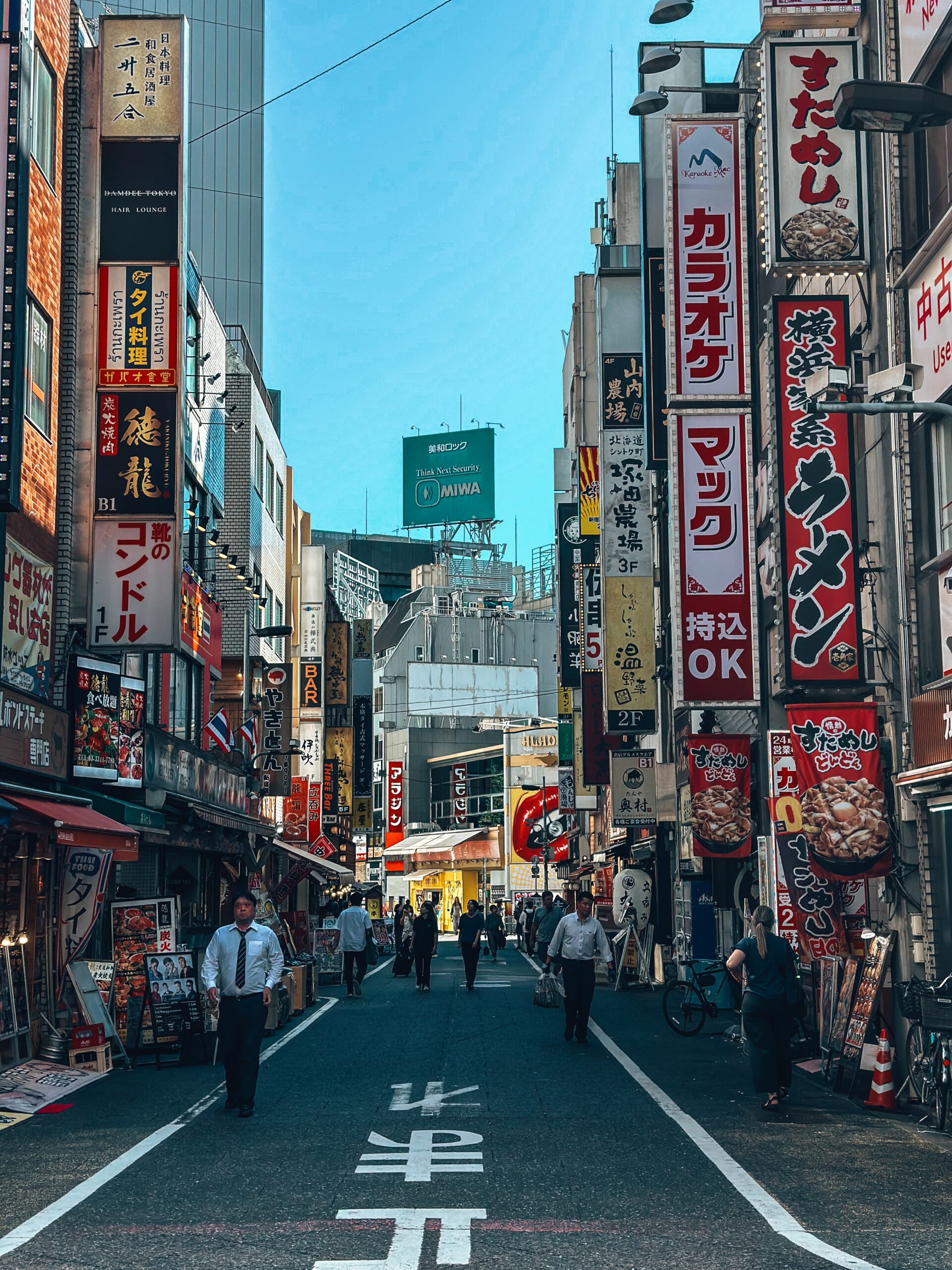
Tokyo’s highest temperature at Haneda on 2 August will be set by the day’s *single warmest reading* at the airport, so the key question is whether the site gets anywhere near the extreme heat that has occasionally hit broader Tokyo in past Augusts. Tokyo is climatologically at its hottest in August, with typical daytime highs around 31°C and long-run August records in the high 30s Celsius, including 39°C in one historical data set and 37.3°C in another spanning recent decades.[1][2][19] That context matters because the current crowd-implied probability of **0% YES** suggests the market is pricing this contract as a tail outcome rather than a normal summer reading.[1][2]
For comparison, recent Japan summers have produced repeated heat extremes: Tokyo recorded ten consecutive days at 35°C or above in 2025, while Japan as a whole logged its hottest June and July on record and an August national peak of 41.8°C in Isesaki.[4][16][20] Against that backdrop, a Haneda Airport maximum in the upper 30s would not be impossible, but it would still require an unusually strong heat event at one of the less extreme coastal stations. The absence of an obvious cross-market price from a sportsbook makes the prediction-market line the main live signal here, and the 0% print is best read as either very thin trading or a strong consensus that the relevant range will be comfortably below the contract’s upper bands.
Traders should watch the Japan Meteorological Agency’s heat guidance, the daily Tokyo forecast, and any late-run shifts in humidity, cloud cover, or sea-breeze pattern, because those are the main short-horizon drivers of Haneda’s peak temperature. Tokyo’s monthly forecast for August 2026 already points to highs broadly in the low 30s to around 32°C, which would align with a middling outcome rather than a record-style spike.[6][12][15] The main dependency is simple: if morning conditions stay cloudy or a marine layer lingers over the bay, Haneda’s maximum can undershoot inland Tokyo materially; if clearing and subsidence arrive early, the airport can still warm sharply by early afternoon.[3][5]
Methodology
This page is a comparison snapshot: one live quote, four reference venues with their key attributes, and a single execution path — every trade button routes to Kalshi vs Polymarket, which mirrors the Polymarket order book directly.
Resolution & payout
Settlement runs on-chain. Polymarket's contract logic separates YES and NO shares as conditional tokens; at resolution the winning share lifts to $1.00 and the losing one to $0. The outcome input comes from the UMA Optimistic Oracle, which secures against bad resolution with a bond + dispute window.
Once finalised, the smart contract pays USDC to the holders' wallets within minutes — no withdrawal fees beyond Polygon network gas. Kalshi settles in USD via CFTC clearance, Betfair in account currency net of commission, Manifold in play-money mana with no cash-out.
FAQ
- Is this market available outside the US?
- Polymarket itself is geo-blocked in the US/UK/EU. Always check the legal status of prediction markets in your jurisdiction before trading.
- How does resolution work?
- Through the UMA Optimistic Oracle on Polygon: a proposer submits the outcome, a two-hour challenge window opens, and USDC payouts settle automatically once the result is final.
- What's the difference between YES and NO shares?
- A YES share pays $1.00 if the event happens, $0 otherwise. A NO share pays $1.00 if the event doesn't happen. The market price between 0¢ and 100¢ is the implied probability.
- How fast are USDC deposits?
- Polygon credits deposits after 12 confirmations — usually under 30 seconds. Withdrawals follow the same path and land back in your wallet within minutes.
- How reliable are the quoted odds?
- The YES/NO percentages are the live mid-prices of the Polymarket order book. On deep markets they move every few seconds; on thinner ones you'll see short plateaus.
%22%2F%3E%3Cpath%20d%3D%22M%206%2066%20A%2026%2026%200%200%201%2058%2066%22%20fill%3D%22%23E6B98D%22%20opacity%3D%220.9%22%2F%3E%3Ccircle%20cx%3D%2232%22%20cy%3D%2226%22%20r%3D%2222%22%20fill%3D%22%23F5CBA7%22%2F%3E%3Crect%20x%3D%2210%22%20y%3D%224%22%20width%3D%2244%22%20height%3D%2214%22%20rx%3D%227%22%20fill%3D%22%2322d3ee%22%20opacity%3D%220.9%22%2F%3E%3Crect%20x%3D%228%22%20%20y%3D%2218%22%20width%3D%228%22%20%20height%3D%2218%22%20rx%3D%224%22%20fill%3D%22%2322d3ee%22%20opacity%3D%220.7%22%2F%3E%3Crect%20x%3D%2248%22%20y%3D%2218%22%20width%3D%228%22%20%20height%3D%2218%22%20rx%3D%224%22%20fill%3D%22%2322d3ee%22%20opacity%3D%220.7%22%2F%3E%3C%2Fsvg%3E) and
and%22%2F%3E%3Cpath%20d%3D%22M%206%2066%20A%2026%2026%200%200%201%2058%2066%22%20fill%3D%22%23E6B98D%22%20opacity%3D%220.9%22%2F%3E%3Ccircle%20cx%3D%2232%22%20cy%3D%2226%22%20r%3D%2222%22%20fill%3D%22%23F5CBA7%22%2F%3E%3Crect%20x%3D%2214%22%20y%3D%224%22%20width%3D%2236%22%20height%3D%228%22%20rx%3D%224%22%20fill%3D%22%2322d3ee%22%2F%3E%3C%2Fsvg%3E)
Trade Highest temperature in Tokyo on August 2? on Kalshi vs Polymarket
Live order book, 0% fees, USDC settlement in seconds.
Open live market →