Platform comparison
| Platform | YES odds | NO odds | Fee | KYC | Settlement | |
|---|---|---|---|---|---|---|
Polymarket (via Kalshi vs Polymarket) Pick polygram.ink (preferred broker) |
4% | 96% | 0% (USDC on-chain) | No-KYC up to $1,500 | USDC, auto via UMA oracle | View on Polymarket → |
Polymarket (direct) polymarket.com |
4% | 96% | 0% | Geo-blocked in US/UK/EU | USDC, on-chain | View on Polymarket → |
Kalshi kalshi.com |
— | — | Up to 7% per trade | US-only, KYC required | USD | View on Polymarket → |
Betfair Exchange betfair.com |
— | — | 2-5% commission | Full KYC from first trade | GBP / EUR | View on Polymarket → |
Manifold Markets manifold.markets |
— | — | Play-money (mana) | None — play-money | Mana (no cash-out) | View on Polymarket → |
Outcome probabilities
Current market-implied probability for each outcome, from the live order book.
| Outcome | Probability |
|---|---|
| August 31 | 4% |
| July 31 | 1% |
Market context
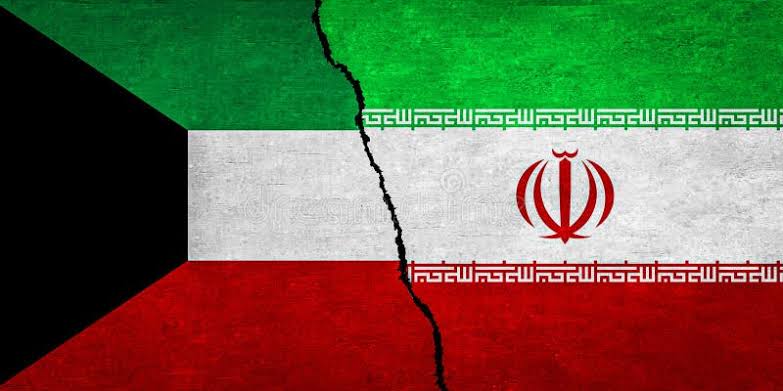
Iranian military forces have not entered Kuwait, though the wider 2026 Iran war has subjected the nation to sustained aerial attacks since February 2026[1]. The current 2% crowd-implied probability for a ground invasion by August 2026 aligns with the historical precedent that Iran targets critical infrastructure rather than seeking territorial occupation in neutral states[1]. Unlike the 1990 Iraqi invasion, which established prolonged control, Iranian strikes in Kuwait have focused on oil refineries, desalination plants, and the airport, causing structural damage without crossing the threshold of a military operation establishing territorial control[1].
Traders should monitor announcements regarding the escalation of aerial campaigns into ground operations, as the market requires a 48-hour presence to resolve YES[1]. Key catalysts include any shift in Iranian strategy from targeting infrastructure to deploying ground troops, alongside updates on Kuwait’s neutral stance despite hosting the largest US military presence in the Middle East[1]. Recent reporting confirms that Iranian forces repeatedly target critical sites, yet no credible consensus indicates a ground invasion has occurred or is imminent[1]. The settlement window closes on 31 August 2026, leaving limited time for a scenario that currently diverges sharply from analyst consensus on Iran’s operational objectives in the region.
Sources: 1
Methodology
We track Iran invades Kuwait by 2026? across the five venues with material prediction-market liquidity. The probability shown is the live Polymarket mid; the comparison rows summarise how each venue treats the underlying contract — fees, KYC thresholds, settlement currency, deposit options. The highlighted row marks the cheapest route into Polymarket's order book.
Resolution & payout
Settlement runs on-chain. Polymarket's contract logic separates YES and NO shares as conditional tokens; at resolution the winning share lifts to $1.00 and the losing one to $0. The outcome input comes from the UMA Optimistic Oracle, which secures against bad resolution with a bond + dispute window.
Once finalised, the smart contract pays USDC to the holders' wallets within minutes — no withdrawal fees beyond Polygon network gas. Kalshi settles in USD via CFTC clearance, Betfair in account currency net of commission, Manifold in play-money mana with no cash-out.
FAQ
- Is this market available outside the US?
- Polymarket itself is geo-blocked in the US/UK/EU. Always check the legal status of prediction markets in your jurisdiction before trading.
- What's the difference between YES and NO shares?
- A YES share pays $1.00 if the event happens, $0 otherwise. A NO share pays $1.00 if the event doesn't happen. The market price between 0¢ and 100¢ is the implied probability.
- What does Polymarket cost to trade?
- Polymarket itself charges 0% — the only cost is the Polygon network fee, typically under $0.01 per transaction. Off-chain venues like Kalshi or Betfair charge 2-7% commission.
- How fast are USDC deposits?
- Polygon credits deposits after 12 confirmations — usually under 30 seconds. Withdrawals follow the same path and land back in your wallet within minutes.
- Do I need to KYC for this market?
- On Polymarket directly, no — it's wallet-based. Intermediary brokers like Kalshi vs Polymarket trigger KYC only above $1,500 of lifetime trading volume; under that you trade pseudonymously with a single wallet address.
%22%2F%3E%3Cpath%20d%3D%22M%206%2066%20A%2026%2026%200%200%201%2058%2066%22%20fill%3D%22%23E6B98D%22%20opacity%3D%220.9%22%2F%3E%3Ccircle%20cx%3D%2232%22%20cy%3D%2226%22%20r%3D%2222%22%20fill%3D%22%23F5CBA7%22%2F%3E%3Crect%20x%3D%2210%22%20y%3D%224%22%20width%3D%2244%22%20height%3D%2214%22%20rx%3D%227%22%20fill%3D%22%2322d3ee%22%20opacity%3D%220.9%22%2F%3E%3Crect%20x%3D%228%22%20%20y%3D%2218%22%20width%3D%228%22%20%20height%3D%2218%22%20rx%3D%224%22%20fill%3D%22%2322d3ee%22%20opacity%3D%220.7%22%2F%3E%3Crect%20x%3D%2248%22%20y%3D%2218%22%20width%3D%228%22%20%20height%3D%2218%22%20rx%3D%224%22%20fill%3D%22%2322d3ee%22%20opacity%3D%220.7%22%2F%3E%3C%2Fsvg%3E) and
and%22%2F%3E%3Cpath%20d%3D%22M%206%2066%20A%2026%2026%200%200%201%2058%2066%22%20fill%3D%22%23E6B98D%22%20opacity%3D%220.9%22%2F%3E%3Ccircle%20cx%3D%2232%22%20cy%3D%2226%22%20r%3D%2222%22%20fill%3D%22%23F5CBA7%22%2F%3E%3Crect%20x%3D%2214%22%20y%3D%224%22%20width%3D%2236%22%20height%3D%228%22%20rx%3D%224%22%20fill%3D%22%2322d3ee%22%2F%3E%3C%2Fsvg%3E)
Trade Iran invades Kuwait by 2026? on Kalshi vs Polymarket
Live order book, 0% fees, USDC settlement in seconds.
Open live market →