Platform comparison
| Platform | YES odds | NO odds | Fee | KYC | Settlement | |
|---|---|---|---|---|---|---|
Polymarket (via Kalshi vs Polymarket) Pick polygram.ink (preferred broker) |
6% | 94% | 0% (USDC on-chain) | No-KYC up to $1,500 | USDC, auto via UMA oracle | View on Polymarket → |
Polymarket (direct) polymarket.com |
6% | 94% | 0% | Geo-blocked in US/UK/EU | USDC, on-chain | View on Polymarket → |
Kalshi kalshi.com |
— | — | Up to 7% per trade | US-only, KYC required | USD | View on Polymarket → |
Betfair Exchange betfair.com |
— | — | 2-5% commission | Full KYC from first trade | GBP / EUR | View on Polymarket → |
Manifold Markets manifold.markets |
— | — | Play-money (mana) | None — play-money | Mana (no cash-out) | View on Polymarket → |
Market context
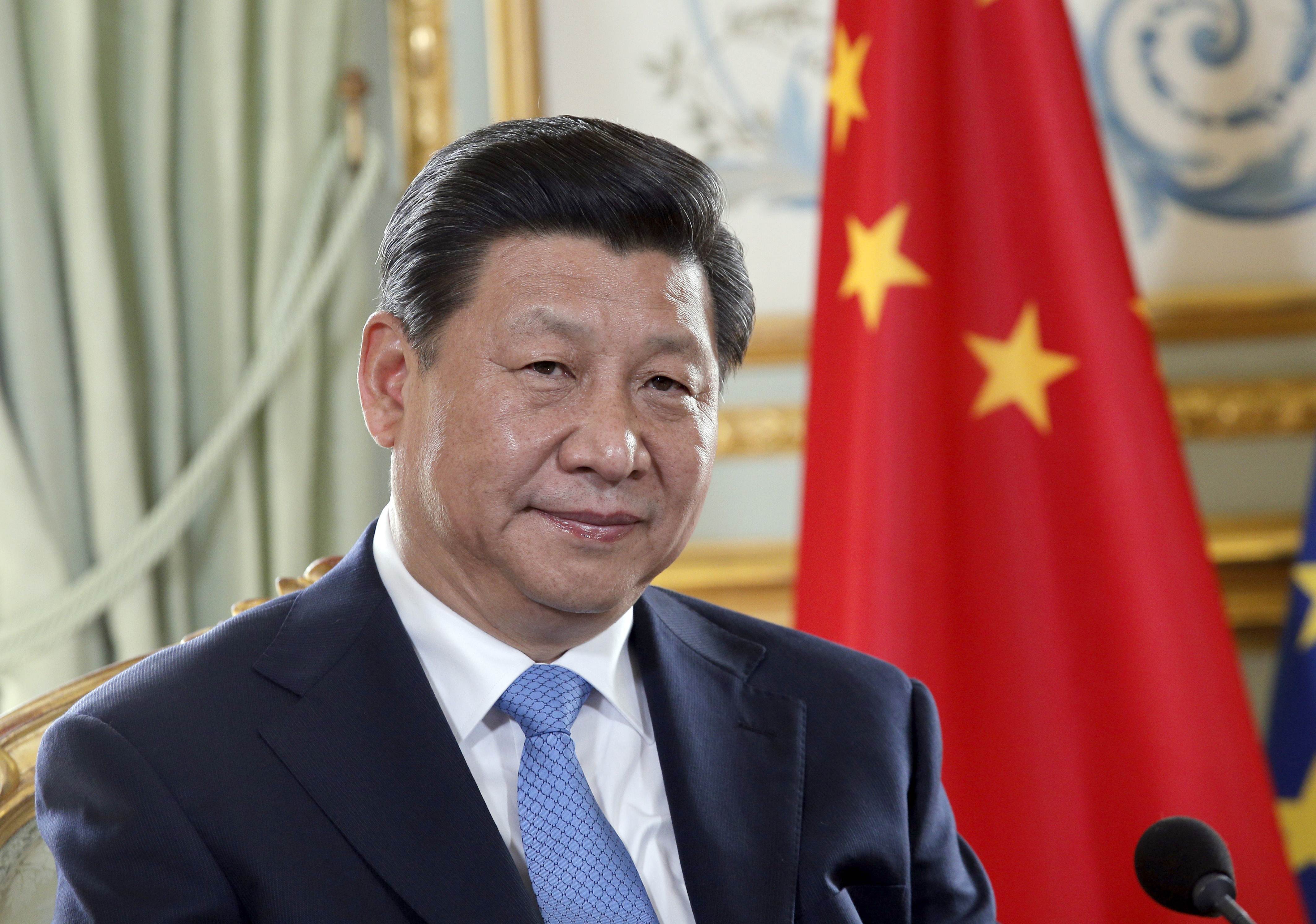
Xi Jinping faces removal from China’s General Secretary role between July 2025 and December 2026, a scenario currently priced at 6% by prediction markets. Historically, Chinese leaders rarely lose power abruptly unless caught in health crises, military purges, or factional collapses. The 2018 constitutional amendment removing presidential term limits effectively cemented Xi’s position for life, while his January 2026 purge of General Zhang Youxia further tightened military control, undermining earlier Western speculation about internal dissent [3][4]. Comparable cases, such as Hua Guofeng’s 1981 ouster, involved rapid factional shifts absent in today’s consolidated system, making sudden removal statistically improbable without a catastrophic catalyst.
Traders should monitor the 21st Party Congress preparations in 2027, where successor selection dominates over Xi’s tenure, and the 15th Five-Year Plan implementation for 2026–2030, which allocates critical resources [2][7]. Key dependencies include Xi’s health disclosures, Politburo Standing Committee announcements, and any unexpected military or economic shocks. Recent reporting from The Diplomat notes that attention is shifting to post-Xi era planning, with Ding Xuexiang potentially emerging as a successor if Xi steps down in 2027, though this falls outside the market’s settlement window [2]. No credible evidence currently suggests imminent dismissal, detention, or resignation, reinforcing the low implied probability.
Sportsbooks and analyst consensus broadly align with the 6% figure, reflecting minimal divergence between platforms. The market’s narrow window excludes the 2027 congress, where succession discussions intensify, further reducing odds of removal within the timeframe. Without a health crisis or factional revolt, Xi’s grip remains unshaken, consistent with his decade-long consolidation of power.
Methodology
We track Xi Jinping out before 2027? across the five venues with material prediction-market liquidity. The probability shown is the live Polymarket mid; the comparison rows summarise how each venue treats the underlying contract — fees, KYC thresholds, settlement currency, deposit options. The highlighted row marks the cheapest route into Polymarket's order book.
Resolution & payout
Settlement runs on-chain. Polymarket's contract logic separates YES and NO shares as conditional tokens; at resolution the winning share lifts to $1.00 and the losing one to $0. The outcome input comes from the UMA Optimistic Oracle, which secures against bad resolution with a bond + dispute window.
Once finalised, the smart contract pays USDC to the holders' wallets within minutes — no withdrawal fees beyond Polygon network gas. Kalshi settles in USD via CFTC clearance, Betfair in account currency net of commission, Manifold in play-money mana with no cash-out.
FAQ
- Where can I trade this market with the lowest fees?
- Polymarket is geo-blocked in the US/UK/EU. The easiest 0%-fee broker into the same order book is Kalshi vs Polymarket. Kalshi charges up to 7% per trade; Betfair Exchange takes 2-5% commission on net winnings.
- What's the difference between YES and NO shares?
- A YES share pays $1.00 if the event happens, $0 otherwise. A NO share pays $1.00 if the event doesn't happen. The market price between 0¢ and 100¢ is the implied probability.
- What does Polymarket cost to trade?
- Polymarket itself charges 0% — the only cost is the Polygon network fee, typically under $0.01 per transaction. Off-chain venues like Kalshi or Betfair charge 2-7% commission.
- Do I need to KYC for this market?
- On Polymarket directly, no — it's wallet-based. Intermediary brokers like Kalshi vs Polymarket trigger KYC only above $1,500 of lifetime trading volume; under that you trade pseudonymously with a single wallet address.
- How reliable are the quoted odds?
- The YES/NO percentages are the live mid-prices of the Polymarket order book. On deep markets they move every few seconds; on thinner ones you'll see short plateaus.
%22%2F%3E%3Cpath%20d%3D%22M%206%2066%20A%2026%2026%200%200%201%2058%2066%22%20fill%3D%22%23E6B98D%22%20opacity%3D%220.9%22%2F%3E%3Ccircle%20cx%3D%2232%22%20cy%3D%2226%22%20r%3D%2222%22%20fill%3D%22%23F5CBA7%22%2F%3E%3Crect%20x%3D%2210%22%20y%3D%224%22%20width%3D%2244%22%20height%3D%2214%22%20rx%3D%227%22%20fill%3D%22%2322d3ee%22%20opacity%3D%220.9%22%2F%3E%3Crect%20x%3D%228%22%20%20y%3D%2218%22%20width%3D%228%22%20%20height%3D%2218%22%20rx%3D%224%22%20fill%3D%22%2322d3ee%22%20opacity%3D%220.7%22%2F%3E%3Crect%20x%3D%2248%22%20y%3D%2218%22%20width%3D%228%22%20%20height%3D%2218%22%20rx%3D%224%22%20fill%3D%22%2322d3ee%22%20opacity%3D%220.7%22%2F%3E%3C%2Fsvg%3E) and
and%22%2F%3E%3Cpath%20d%3D%22M%206%2066%20A%2026%2026%200%200%201%2058%2066%22%20fill%3D%22%23E6B98D%22%20opacity%3D%220.9%22%2F%3E%3Ccircle%20cx%3D%2232%22%20cy%3D%2226%22%20r%3D%2222%22%20fill%3D%22%23F5CBA7%22%2F%3E%3Crect%20x%3D%2214%22%20y%3D%224%22%20width%3D%2236%22%20height%3D%228%22%20rx%3D%224%22%20fill%3D%22%2322d3ee%22%2F%3E%3C%2Fsvg%3E)
Trade Xi Jinping out before 2027? on Kalshi vs Polymarket
Live order book, 0% fees, USDC settlement in seconds.
Open live market →